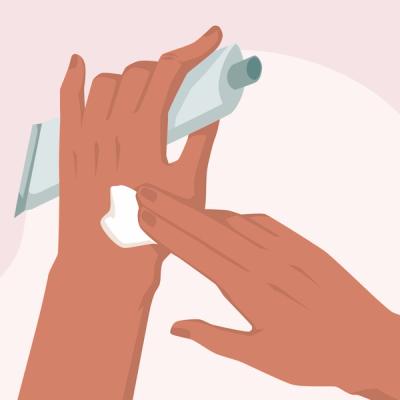

Dark spots and uneven, blotchy skin tone are among the most common, and most stubborn, signs of aging skin. Common prescription treatments include azelaic acid and hydroquinone cream, two medications that address dark spots and hyperpigmentation differently.
This guide covers how each one works, how they compare, whether you can use them together and how to work them into your routine.
Key Takeaways
Azelaic acid belongs to a class of medications called dicarboxylic acids and treats acne, rosacea and hyperpigmentation.
Hydroquinone is a depigmenting agent used specifically to fade dark spots and melasma.
Hydroquinone is intended for short treatment cycles, typically no longer than three months at a time. Azelaic acid can be used long term.
Daily broad-spectrum sunscreen is essential with either treatment. Sun exposure undoes the results.
What is azelaic acid?
How it works
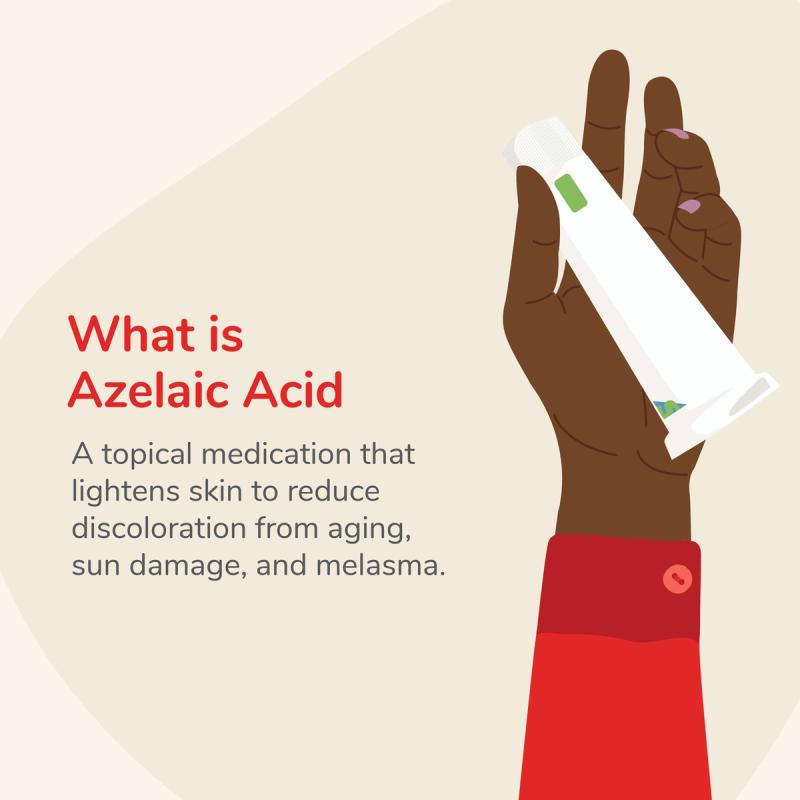
Azelaic acid (Finacea®) is a topical medication and belongs to a class of medications called dicarboxylic acids. It helps lighten skin and reduce inflammation, effectively addressing acne and discoloration caused by aging, sun exposure, rosacea and melasma.1
Prescription status, strengths and forms
This treatment is available in prescription and over-the-counter options. Prescription strength ranges from 15% to 20% and comes in cream, foam and gel.2 Nonprescription strength formulas have less than 10% azelaic acid.3
Effectiveness for dark spots
In a clinical study, two-thirds of participants showed no signs of hyperpigmentation after 16 weeks of using azelaic acid. Additionally, nearly half of the participants reported that only 1% to 10% of their initial hyperpigmentation remained by the end of the trial. Azelaic acid is often favored by people of color because it doesn't lighten the overall skin tone like tretinoin or other anti-aging products.4
Cost
Azelaic acid 15% is available from RedBox Rx for $20 per month with the purchase of a 90-day supply.
Learn more about azelaic acid, including its different strengths, forms and uses, in our complete guide to azelaic acid.
What is hydroquinone cream?
How it works
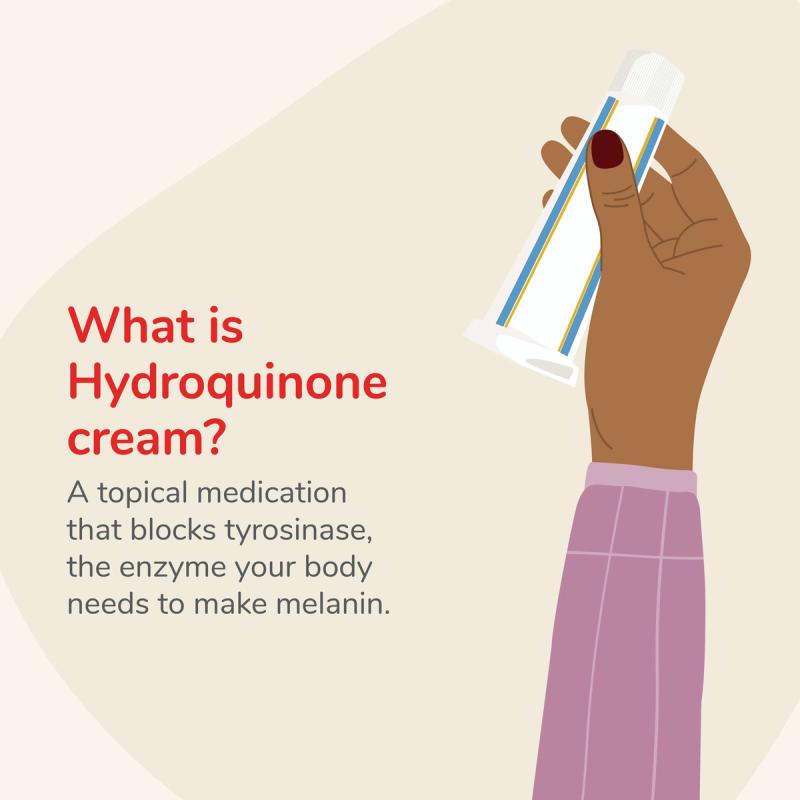
Hydroquinone is a topical medication that is classified as a depigmenting agent. It works by blocking tyrosinase, the enzyme your body needs to make melanin (the pigment that gives skin its color). With less melanin being produced, existing dark patches gradually fade and skin tone evens out.5
What it treats
It’s prescribed for hyperpigmentation conditions, including melasma, chloasma, freckles, age spots and post-inflammatory hyperpigmentation left behind by acne or injury.6
Prescription status, strengths and forms
In the U.S., hydroquinone is available by prescription only. In 2020, the FDA’s enforcement of the CARES Act removed over-the-counter hydroquinone products from store shelves.7
The standard prescription strength is 4% cream, applied to affected areas twice daily.8 Higher strengths, such as 6% to 12%, are made only through compounding pharmacies. Compounded medications are not FDA approved, which means the FDA has not reviewed them for safety, effectiveness or quality.
Because hydroquinone is meant for short-term use, most providers recommend treatment cycles of no more than three months, followed by a break.9
Cost
Hydroquinone 4% cream is available from RedBox Rx for $20 per month with the purchase of a 90-day supply.
Learn more about hydroquinone cream, including how it works, who it’s for, and how to use it safely, in our complete guide to hydroquinone cream for dark spots.
What’s the difference between azelaic acid and hydroquinone cream?
Both treatments fade discoloration, but they do it differently.
Azelaic acid has anti-inflammatory properties that help treat hyperpigmentation as well as acne and rosacea.10 It’s also better for long-term use, as studies have not found any complications associated with prolonged use, unlike hydroquinone.11 That makes it a practical choice for ongoing maintenance once dark spots have faded.
Hydroquinone cream has a more specific use. It targets melasma and other forms of hyperpigmentation, and it is designed for shorter treatment cycles, generally no more than three months at a time, followed by a break, to reduce the risk of rare side effects.12 It is not recommended if you are pregnant, breastfeeding or trying to conceive.13
How effective are azelaic acid and hydroquinone cream for melasma and dark spots?
Both are effective, and the research comparing them doesn’t crown a clear winner.
In one clinical study, azelaic acid produced good or excellent results in 65% of participants after 24 weeks, with no meaningful difference from hydroquinone in overall rating, reduction in lesion size or pigment intensity.14
Broader reviews have found azelaic acid delivers a slightly greater improvement in melasma severity scores, with the two treatments comparable on reduction in pigmentation and on side effects.15 Other studies have found hydroquinone clears pigment faster.16
The practical takeaway is that neither is clearly better for everyone. Which one is right for you depends on your skin, your history with these ingredients and how long you expect to be treated. That’s a conversation to have with your medical provider.
One thing every study agrees on, is that getting the best results depend on consistent sunscreen use. UV exposure from the sun can increase melanin production and can undo months of progress.17
Can you use azelaic acid and hydroquinone cream together?
Yes, with a healthcare provider’s guidance. Studies have shown that pairing azelaic acid with hydroquinone reduces melasma severity more than hydroquinone alone and produces results faster. Side effects — mostly burning, itching, stinging and dryness — were more common with the combination, though most participants tolerated them.18
Many providers also use the two in sequence rather than at the same time. A short hydroquinone course initially, then azelaic acid for long-term maintenance once the hydroquinone cycle ends.19
However, you should never combine prescription medications on your own. Talk to your provider first and follow their instructions for safe treatment.
Is azelaic acid and hydroquinone cream available over the counter without a prescription?
It depends on the treatment. Hydroquinone requires a prescription — the FDA removed over-the-counter hydroquinone products from the U.S. market in 2020.20 Azelaic acid is available over the counter in formulas under 10%, but prescription strengths of 15% to 20% are considerably stronger and require a prescription.21,22
You can get either treatment quickly and affordably online through RedBox Rx.
What are the side effects of azelaic acid and hydroquinone cream?
Common side effects of azelaic acid include:23
Burning, stinging or tingling
Dryness, itching or peeling
Redness
Soreness
Swelling
Common side effects of hydroquinone cream include:24
Redness
Stinging or burning
Dryness, especially around the nose and under the eyes
Increased sensitivity to sunlight
One rare side effect, exogenous ochronosis, is a gradual blue-black darkening of the skin linked to long-term, continuous hydroquinone use, and it is difficult to reverse. Using higher concentrations and longer treatment courses are the most common causes.25 This is why hydroquinone is prescribed in limited cycles. If you notice your skin darkening rather than lightening, stop using the cream and contact your provider.
How do you introduce azelaic acid or hydroquinone into your skincare routine?
Following your doctor’s instructions and these guidelines will help you get the best results.
Tips for using azelaic acid:26
Apply a thin layer to clean, dry skin once or twice per day.
If you have sensitive skin, you can apply it every other day.
Follow with a hydrating moisturizer.
Wear sunscreen of at least 30 SPF daily.
Tips for using hydroquinone cream:27
Follow the directions on the prescription label.
Wash your hands before and after applying, and make sure your skin is clean and dry.
Apply just enough to cover the affected area. Do not apply near the eyes, mouth or other areas of sensitive skin.
If you are using other skin medications, apply them at different times of the day.
Wear broad-spectrum sunscreen of at least 30 SPF daily. Sun exposure will reverse your results.
Stick to the treatment length your provider recommends and take breaks between cycles.
“Give either treatment time,” advised Marshall Sanders, PharmD and president of RedBox Rx. “Most patients start seeing changes around four weeks, with fuller results at two to three months. Consistency matters more than intensity.”
How RedBox Rx can help
RedBox Rx makes receiving treatment for rosacea, anti-aging or melasma (dark spots) easy and affordable.
Benefits of RedBox Rx include:
Medications starting at $20 per month.
$25 online consultation with a U.S. licensed medical provider.
HSA and FSA eligible.
No membership fees.
Free standard shipping or expedited/overnight available.
Get started on your journey toward better skin with our online assessment for rosacea or anti-aging.