

If you’re dealing with stubborn dark spots or melasma, this guide breaks down what hydroquinone cream does, how it works, who it’s for, and how to use it safely.
What is hydroquinone cream prescribed for?
Hydroquinone, also known as skin bleaching cream and dark spot cream, is prescribed to even skin tone and lighten hyperpigmentation on the skin due to aging, sun damage, injury, melasma and hormonal changes like pregnancy.1
How does hydroquinone cream work?
Hydroquinone blocks the body’s process of producing melanin, the substance that creates dark pigment in the skin from sun exposure. It also helps break down melanin that is already present. With less melanin, dark spots on the skin are reduced.2
What strengths are available of hydroquinone cream?
Hydroquinone cream is available at 4% with a prescription.3 Higher strengths, such as 6%-12%, are only made through a compounding pharmacy based on a prescriber’s order. These compounded medications are not FDA approved, which means the FDA has not reviewed them for safety, effectiveness or quality.4 RedBox Rx offers FDA-approved hydroquinone 4% cream.
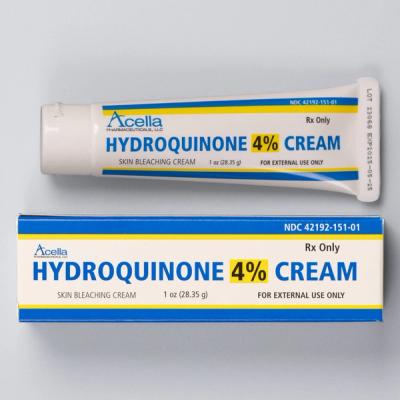
Affordable, effective dark spot treatment prescribed online.
Get FDA-approved hydroquinone 4% cream prescribed online for dark spots, melasma or hyperpigmentation starting at just $20 per month with a $25 online consult.
Get StartedHow do I use or apply hydroquinone cream?
Hydroquinone cream should be applied to the affected skin area as directed by a medical professional. This is the typical process:5
Wash your hands before and after applying.
Clean and dry the affected area.
Gently apply the cream to the hyperpigmented area.
Make sure you do not get any cream in your eyes or mouth.
You should also only use hydroquinone for the length of time directed by your provider. The cream is typically prescribed for shorter treatment cycles — such as three months6 — to avoid rare side effects.
Where on the body can hydroquinone be used?
Hydroquinone can be used on affected areas of your face and body but must be kept away from your eyes, mouth and sensitive skin.7
Can tretinoin and hydroquinone be used together?
Yes, tretinoin and hydroquinone can be used together to treat hyperpigmentation. Always follow the directions of a medical professional when combining medications.8
Is hydroquinone cream available over the counter without a prescription?
Hydroquinone cream is not available over the counter and requires a prescription. RedBox Rx offers FDA-approved hydroquinone 4% cream that has not been compounded with extra ingredients.
Is hydroquinone cream safe?
Yes, hydroquinone is considered safe when prescribed by a licensed provider and used as directed. It has been FDA approved in 4% strength to treat melasma and dark spots.
Like all medications, it’s important to use hydroquinone correctly:9
Keep the cream away from your lips, eyes or broken skin.
Do not use if you are pregnant, planning pregnancy or breastfeeding.
Only use hydroquinone for a short period of time. Your treatment cycles should last no longer than three months, followed by a break to help prevent rare side effects.10
Avoid using hydroquinone at the same time as products containing benzoyl peroxide or other strong peroxides, as they may cause skin darkening.11
When used under medical guidance with daily sun protection, hydroquinone remains one of the most effective and trusted treatments for stubborn dark spots and melasma.
Is hydroquinone FDA approved?
Prescription hydroquinone (4%) is FDA approved for short-term use to treat hyperpigmentation such as melasma.
Over-the-counter hydroquinone (2% or less) is not currently FDA approved. The 2020 CARES Act officially required all OTC hydroquinone products to be removed from U.S. shelves unless they go through FDA approval.12
What are the side effects of hydroquinone cream?
Side effects of hydroquinone cream include:13
Mild burning
Stinging
Redness
Dryness
Exogenous ochronosis: This very rare condition stems from long-term continuous use and causes bluish-black skin discoloration.
If you experience severe irritation, darkening of the skin or have concerns about side effects, stop using the cream and contact your provider.
Can I use hydroquinone if I am pregnant, breastfeeding or trying to conceive?
No, it is not recommended to use hydroquinone if you are pregnant, breastfeeding or trying to conceive.14
What are the brand names for hydroquinone cream?
Many hydroquinone 4% creams today are dispensed as a generic and simply labeled “hydroquinone 4%” without a brand name. It has also been sold under several brand names, including:
Lustra®
Eldoquin®
EpiQuin Micro®
Melquin®
Melanex®
It is also used in certain combination products, such as:
Tri-Luma® (hydroquinone + tretinoin + fluocinolone, FDA approved for melasma)
Obagi Nu-Derm® and ZO® hydroquinone protocols (skin-care systems prescribed by dermatologists)
In addition, some higher-strength or combination formulations are custom-compounded by pharmacies and do not have FDA approval.
How does hydroquinone cream compare to Tri-Luma® cream?
Tri-Luma® is an FDA-approved compound cream that contains hydroquinone 4%, but there are key differences between the two.
Hydroquinone cream is commonly used to even skin tone and lighten hyperpigmentation. It’s typically prescribed in short cycles of up to three months, followed by a break.15 Side effects may include redness, dryness, burning and increased sun sensitivity. With long-term use, there is also a rare risk of ochronosis, a bluish-black skin discoloration.16 Hydroquinone 4% from RedBox Rx is available at $20 per month, billed and shipped every three months.
Tri-Luma® is a stronger option intended for moderate to severe facial melasma.17 In addition to hydroquinone, it contains a retinoid and a corticosteroid, which makes it more potent but also increases the risk of side effects. These may include skin thinning, a higher chance of ochronosis and the possibility of melasma returning once treatment stops.18 The FDA recommends limiting use to eight weeks, after which maintenance or alternative therapies may be needed.19 Tri-Luma® is also more costly, with the average retail price for a 30 g tube at about $297.69.
How much does hydroquinone cream cost?
At RedBox Rx, hydroquinone 4% cream costs $20 to $23.33 per month depending on your treatment plan, and our online consultation for anti-aging costs only $25. RedBox Rx has one of the lowest prices of hydroquinone cream available.
How can I get hydroquinone cream?
Hydroquinone 4% cream requires a prescription. Start an online doctor consult for anti-aging with RedBox Rx to determine if hydroquinone cream is right for you.
How RedBox Rx can help
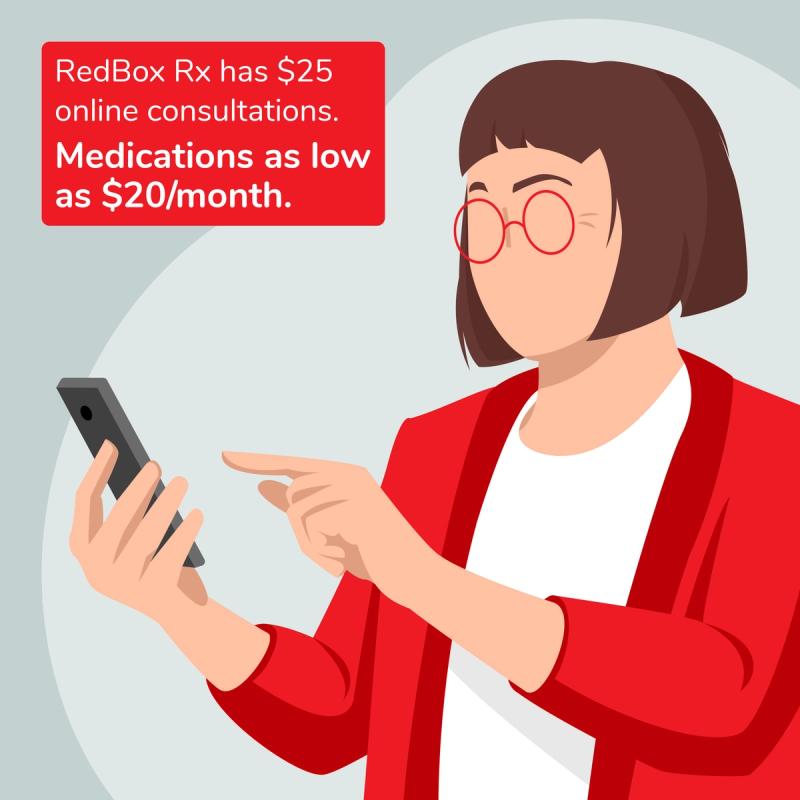
RedBox Rx makes receiving anti-aging or melasma treatment easy and affordable.
Benefits of RedBox Rx include:
Transparent, affordable, flat rates for medications starting at $20/month.
$25 consultation with a U.S. licensed medical professional.
No insurance required. FSA and HSA eligible.
No office wait times or scheduling issues typical with physical medical practices.
FREE shipping directly to you. One-time, monthly and quarterly subscriptions available.
Get started on your journey towards better skin with our anti-aging assessment.