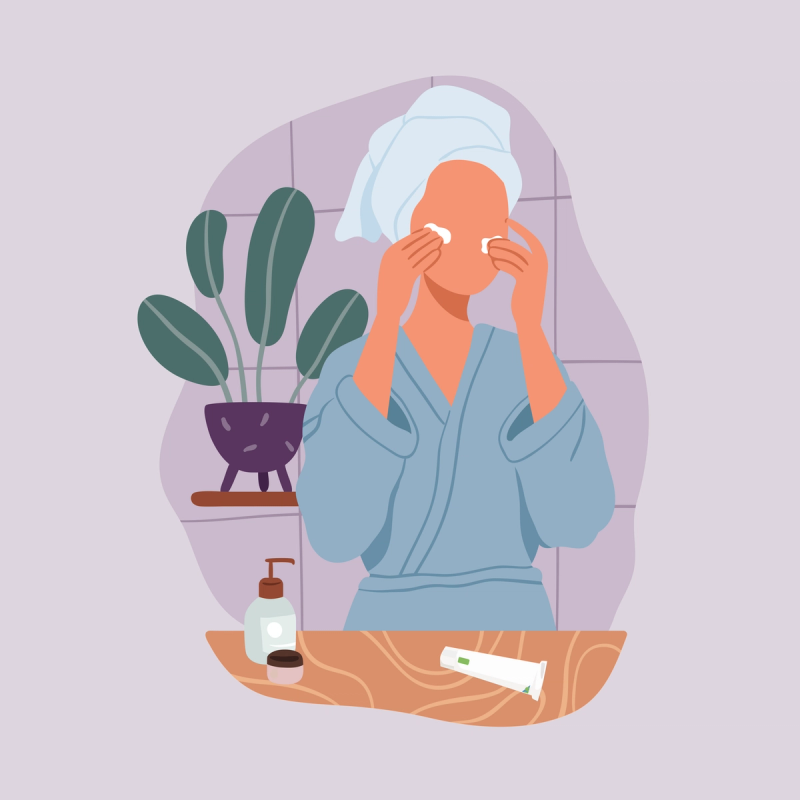
Azelaic acid (Finacea®) is a topical medication and belongs to a class of medications called dicarboxylic acids. It helps lighten skin and reduce inflammation, and is used to treat acne and discoloration caused by aging, sun exposure, rosacea and melasma.1 This article will cover common strengths and forms of azelaic acid, what is most effective for treating different skin conditions, side effects and more.
Key Takeaways
Azelaic acid is a topical cream, foam, gel or serum.
It can be used to treat mild to severe acne, rosacea and melasma (dark spots).
It’s available over the counter at lower strengths and by prescription at higher strengths.
Most people see visible improvements within 12 to 24 weeks of consistent use.
Common Strengths of Azelaic Acid
Azelaic acid is available in prescription and over-the-counter options. Prescription strength ranges from 15% to 20% and come in cream, foam, gel and serum.2,3 Nonprescription strength formulas contain 10-12% azelaic acid.4
10% Azelaic Acid (Over the Counter)
Over-the-counter azelaic acid products typically contain around 10% azelaic acid, which is widely available without a prescription and sold at many drugstores or online retailers. These lower-strength formulations are commonly used for mild acne, dark spots or sensitive skin because they have a lower risk of irritation.5
Popular OTC examples include:
The Ordinary 10% Azelaic Acid Suspension
Paula’s Choice 10% Azelaic Acid Booster
Anua 10% Azelaic Acid Serum
Naturium Azelaic Acid 10% Cream
15% Azelaic Acid (Prescription)
This strength is commonly prescribed by dermatologists and other providers for mild to moderate acne, rosacea or stubborn dark spots. It delivers more potent effects without jumping straight to the strongest option. Studies of azelaic acid 15% formulations show reduced acne and rosacea, and improved pigmentation with consistent use.6
20% Azelaic Acid (Prescription)
The strongest commonly prescribed azelaic acid is a 20% concentration. This is used to treat more severe or stubborn acne, rosacea and melasma. Higher strengths may require closer monitoring for irritation but can also offer more effective treatment.
Common Forms of Azelaic Acid
Azelaic acid comes in several forms that influence how it spreads, absorbs and feels on the skin. Different formats may be better for certain skin types or treatment goals.
Cream: Commonly prescribed for acne7 because it is less likely to cause irritation.8
Foam: Because foam can be spread easily, it is helpful for treating larger areas of skin.9
Gel: A gel is most often prescribed for rosacea.10
Serum: Like gel, serums are absorbed by the skin quickly. Serums are often used before a moisturizer to maintain hydrated skin.11
All options are available over the counter at 10% strength or less and at 15% or 20% with a prescription.
Best Azelaic Acid Strengths & Forms for Acne
Azelaic acid helps improve acne by lowering inflammation, reducing bacteria in pores and promoting gentle exfoliation so your skin heals faster.12
Recommended strengths: Milder acne often responds well to 10% over-the-counter formulas with twice-daily use, while 15% or 20% prescription strengths are used for more persistent or moderate acne.13
Cream, foam, gel or serum: While any option can be effective, a cream is best for acne because it is less likely to cause irritation.14
Effectiveness timeline: Studies indicate meaningful reductions in inflammatory and noninflammatory acne after 16 weeks of consistent use.15
Best Azelaic Acid Strengths & Forms for Rosacea
Rosacea often causes facial redness and bumps, and azelaic acid’s anti-inflammatory properties help calm this inflammation.16
Recommended strengths: Both 15% and 20% azelaic acid have been shown to be effective for rosacea.17
Cream, foam, gel or serum: Gel is typically prescribed for rosacea.18
Effectiveness timeline: Clinical studies report symptom improvement after 12 weeks of regular use.19
Best Azelaic Acid Strengths & Forms for Melasma (Dark Spots) & Hyperpigmentation
Azelaic acid helps lighten dark spots by inhibiting tyrosinase, an enzyme involved in melanin production.20
Recommended strengths: A 20% cream has been shown to be effective for melasma, although 15% may be best for those with dry or sensitive skin.21
Cream, foam, gel or serum: Studies have shown a cream to be effective, but other forms may be used depending on what works best with the patient’s skin type.22
Effectiveness timeline: Improvement for melasma can be seen after 12 to 24 weeks.23
When to Increase or Adjust Azelaic Acid Strength
It’s important to always consult a medical professional if you want to adjust your treatment.
If you are experiencing discomfort from the treatment or are especially prone to side effects, speak with your healthcare provider about reducing the strength of your medication or exploring other options.
If your acne doesn’t improve within 4 weeks or your rosacea does not improve within 12 weeks, speak with your healthcare provider to determine if you should try a higher strength formula or alternative form of treatment.24 Results for melasma are usually seen after 12 to 24 weeks, so consult your healthcare provider if you have not seen improvement in that time frame.25
Side Effects of Azelaic Acid
Side effects of azelaic acid are generally mild, but you should contact your medical provider if you experience any severe or prolonged discomfort.
Common side effects of azelaic acid treatment include:26
Burning, stinging or tingling
Dryness, itching or peeling
Redness
Soreness
Swelling
How to Add Azelaic Acid to Your Skincare Routine
Properly applying azelaic acid will help minimize the risk of side effects and maximize the effectiveness of your treatment. You should:27
Apply a thin layer to clean, dry skin once or twice per day.
If you have sensitive skin, you can apply it every other day.
Follow with a hydrating moisturizer.
Wear sunscreen of at least 30 SPF daily.
This medicine is for use only on the skin. Do not get it in your eyes, nose, mouth or vagina. If it does get on these areas, rinse the medicine off with water and consult your doctor immediately.
Other tips for safe use:
With the foam or gel, you should also avoid using alcoholic cleansers, tinctures and astringents, or abrasives and peeling agents to prevent extra skin irritation.
With the gel, you should also avoid spicy foods, alcohol and hot drinks such as hot coffee or tea, as they can make your face red or flushed.28
If using the foam, be aware that it is flammable. Avoid fire, flame, and smoking while you apply the medicine and immediately after.29
How RedBox Rx Can Help

RedBox Rx makes getting an azelaic acid 15% gel prescription — and other treatments for acne, anti-aging, melasma or rosacea — easy and affordable.
Benefits of RedBox Rx include:
Transparent, affordable, flat rates for medications starting at $20/month.
$25 consultation with a U.S. licensed medical professional.
No insurance required. HSA and FSA eligible.
No office wait times or scheduling issues that are typical with physical medical practices.
FREE shipping directly to you. One-time, monthly and quarterly subscriptions available.
Get started on your journey toward better skin with our online assessment for acne, anti-aging, melasma or rosacea.