Compare Acne Treatment Prices
See how we stack up against competitors on costs for prescription acne cream. Not only do we offer transparent, low prices on FDA-approved acne medications, we charge only $25 for an online acne consult with one of our experienced, U.S. licensed medical providers.
| Brand & Costs | Total Costs Per Treatment |
|---|---|
RedBox Rx $25 – online consult* $60 – tretinoin 0.1% cream ($20 per month) |
$85 for three-month supply |
Nurx® $40 – online consult $90 – tretinoin 0.1% cream ($30 per month) |
$130 for three-month supply |
Musely® $20 – online consult $105 – prescription acne cream ($30 per month) |
$110 for three-month supply |
Curology $90 – prescription acne cream ($30 per month) + online consult |
$90 for three-month supply |
Hers® $87 – prescription acne cream ($29 per month) + skin assessment |
$87 for three-month supply |
*You save money on your doctor consultation fee by selecting RedBox Rx pharmacy and having treatment shipped to your address. Consultation fee increases to $69 if another pharmacy is used.
Acne Medication Options
Our U.S. licensed providers treat a wide range of acne types — including mild, moderate, inflammatory and hormonal acne — with FDA-approved prescription medications. Treatment plans may include topical retinoids, topical and oral antibiotics, and other therapies selected based on your skin type, severity and treatment goals.
- Adapalene Gel
- Clindamycin Phosphate 1% Gel
- Clindamycin Topical Solution
- Spironolactone
- Tazarotene 0.1% Cream
- Tretinoin Cream
- Tretinoin Gel
- Retin-A® Cream
- Metronidazole Cream
- Metronidazole Gel
-
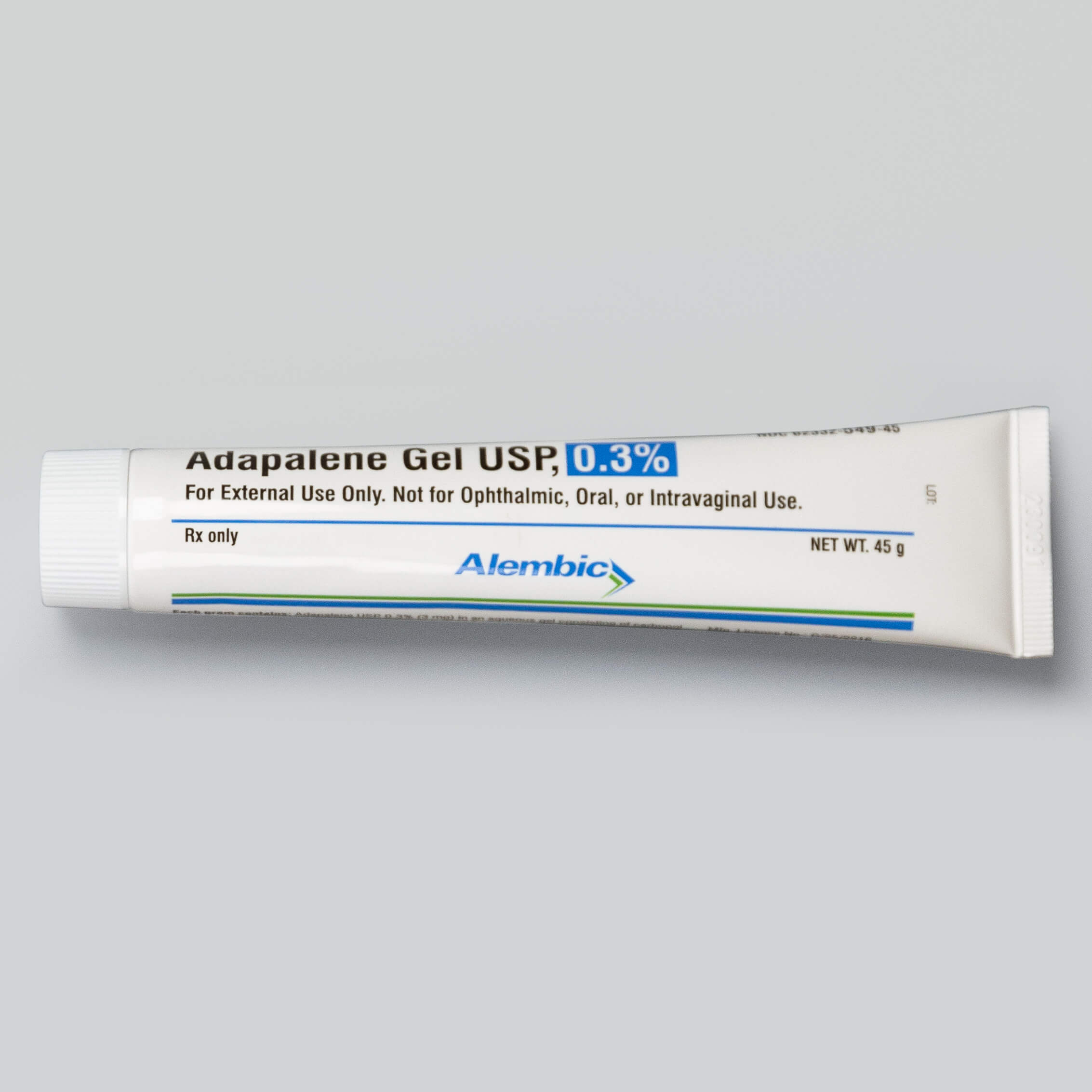 Adapalene Gel Differin®
Treatment Details
Adapalene is an FDA-approved medication that has shown promising results in reducing acne and the appearance of fine lines and wrinkles, as well as improving skin tone and texture. Our U.S. licensed medical professionals can help you determine if a prescription is a good addition to your acne or anti-aging skincare regimen.
Starting at: $20 per month - 1 45 g tube
-
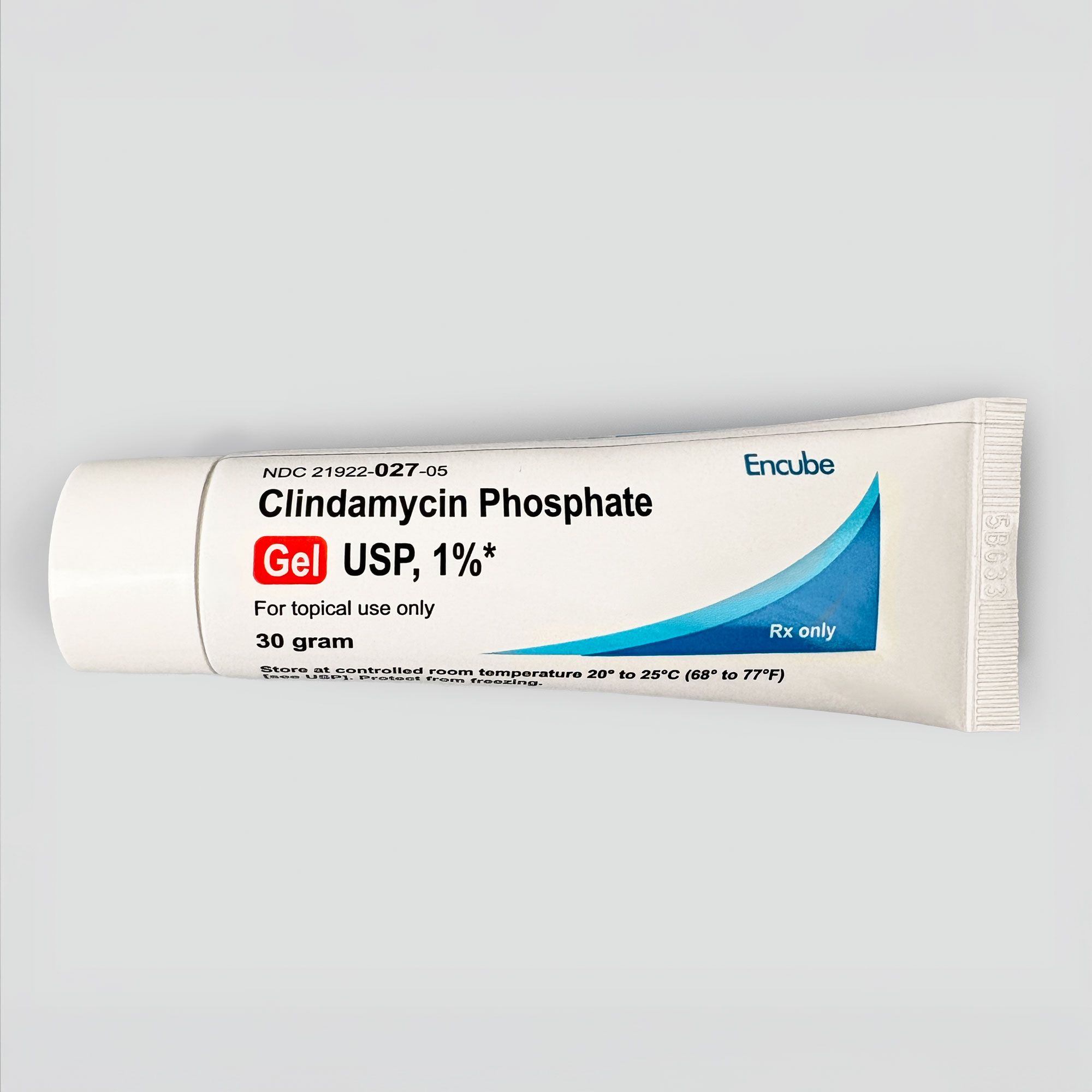 Clindamycin Phosphate 1% Gel
Treatment Details
Reduce the appearance of acne or rosacea-related symptoms—such as redness, bumps, and inflammation—with clindamycin phosphate 1% gel, an FDA-approved prescription-strength topical antibiotic. Clindamycin works by reducing acne-causing bacteria and calming inflammation to help improve overall skin clarity. While clindamycin phosphate 1% gel is not available over the counter, you can get it prescribed online through RedBox Rx at affordable prices with fast, free shipping to your door.
Starting at: $20 per month – one 30 g tube $60 billed and shipped every three months
-
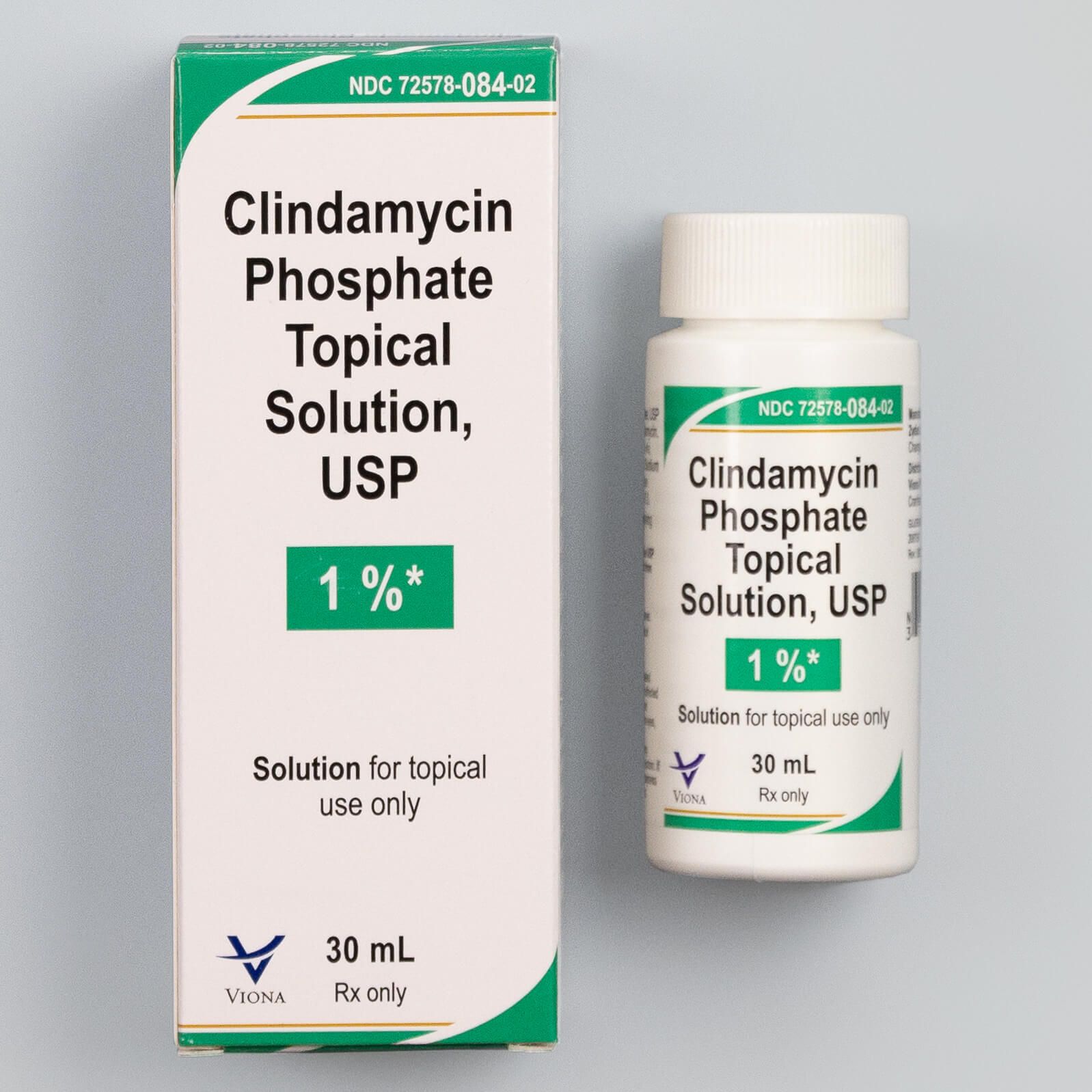 Clindamycin Topical Solution Cleocin T®
Treatment Details
This prescription antibiotic works by stopping the growth of bacteria that can cause skin conditions like acne and rosacea. Skip the visit to the dermatologist and the pharmacy lines and let us help treat you today.
Starting at: $20 per month - 3 30 mL bottles (save 50%)
-
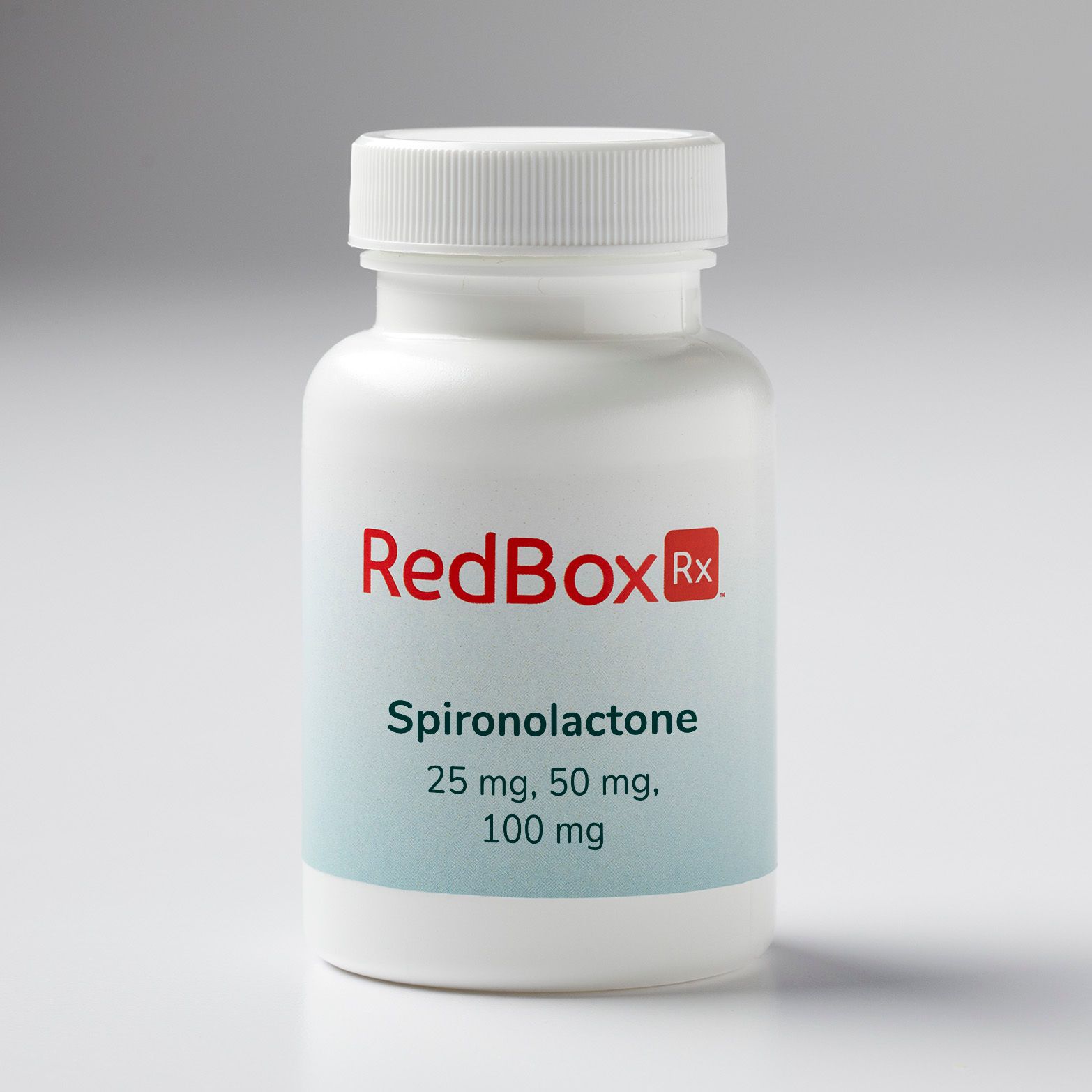 Spironolactone Aldactone®
Treatment Details
We offer transparent, affordable pricing on spironolactone, a medication used to treat hormonal acne in women. It starts working to decrease breakouts and oiliness in a few weeks. Start your $20 online consult with one of our U.S. licensed medical providers to see if spironolactone is right for you. (Labwork required)
Starting at: $25 per month – 90 tablets (billed and shipped every 3 months)
-
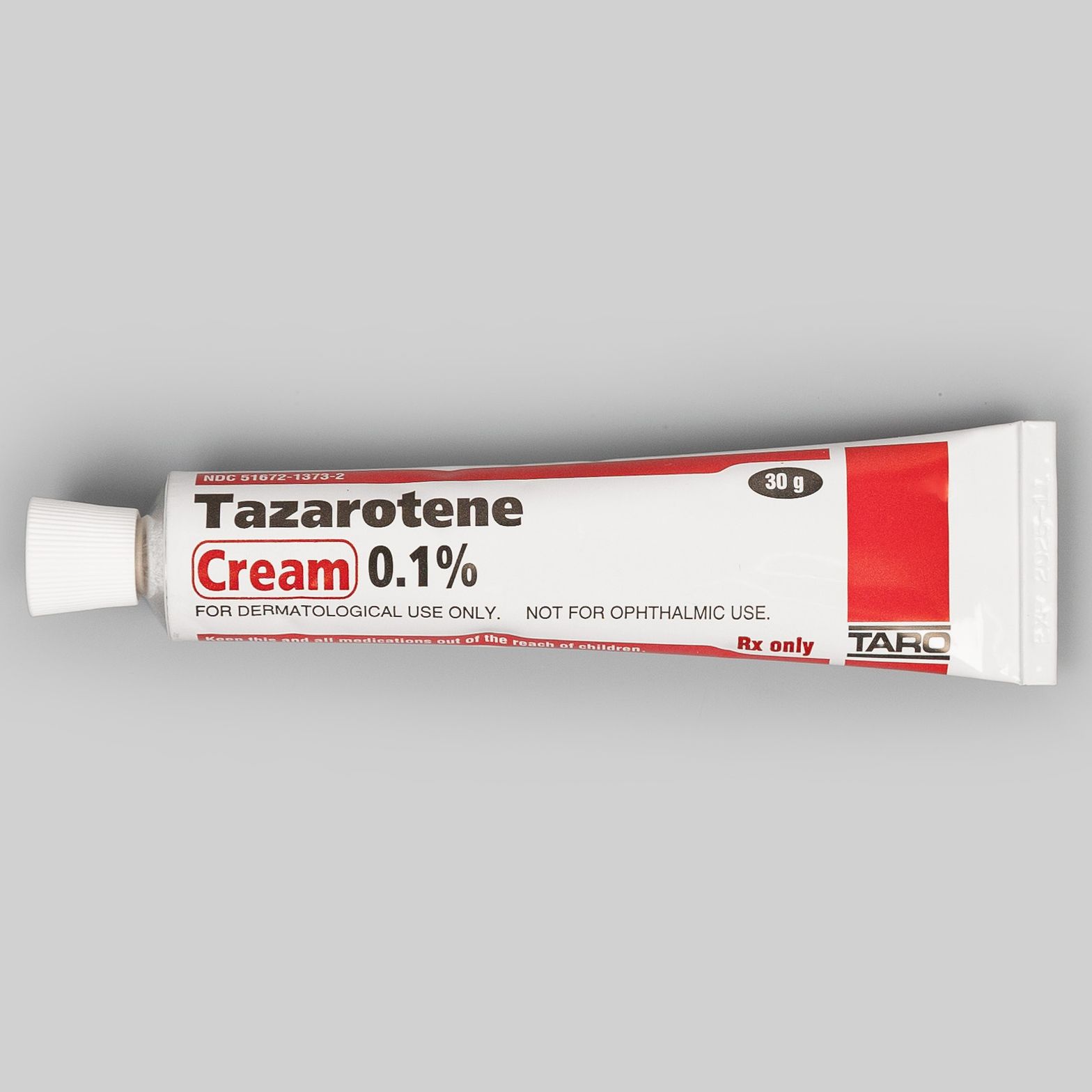 Tazarotene 0.1% Cream Tazorac®
Treatment Details
Treat acne or reduce fine lines and wrinkles with tazarotene 0.1% cream, an FDA-approved prescription-strength topical retinoid. While tazarotene 0.1% cream is not available over the counter, RedBox Rx prescribes this medication through convenient online doctor consultations.
Starting at: $75 for 30 g tube (45-day supply) (auto refills every 45 days)
-
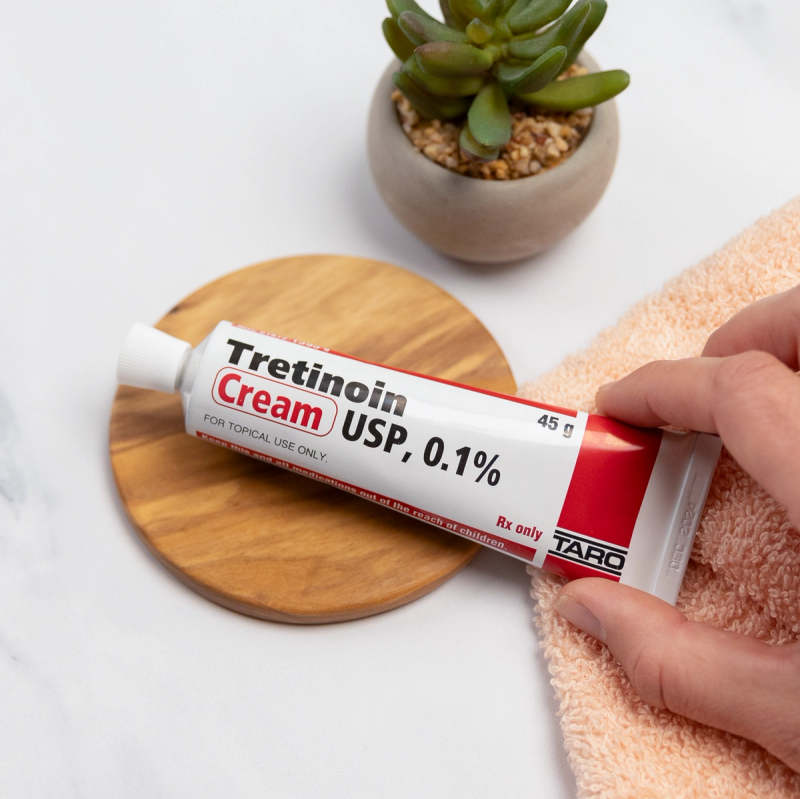
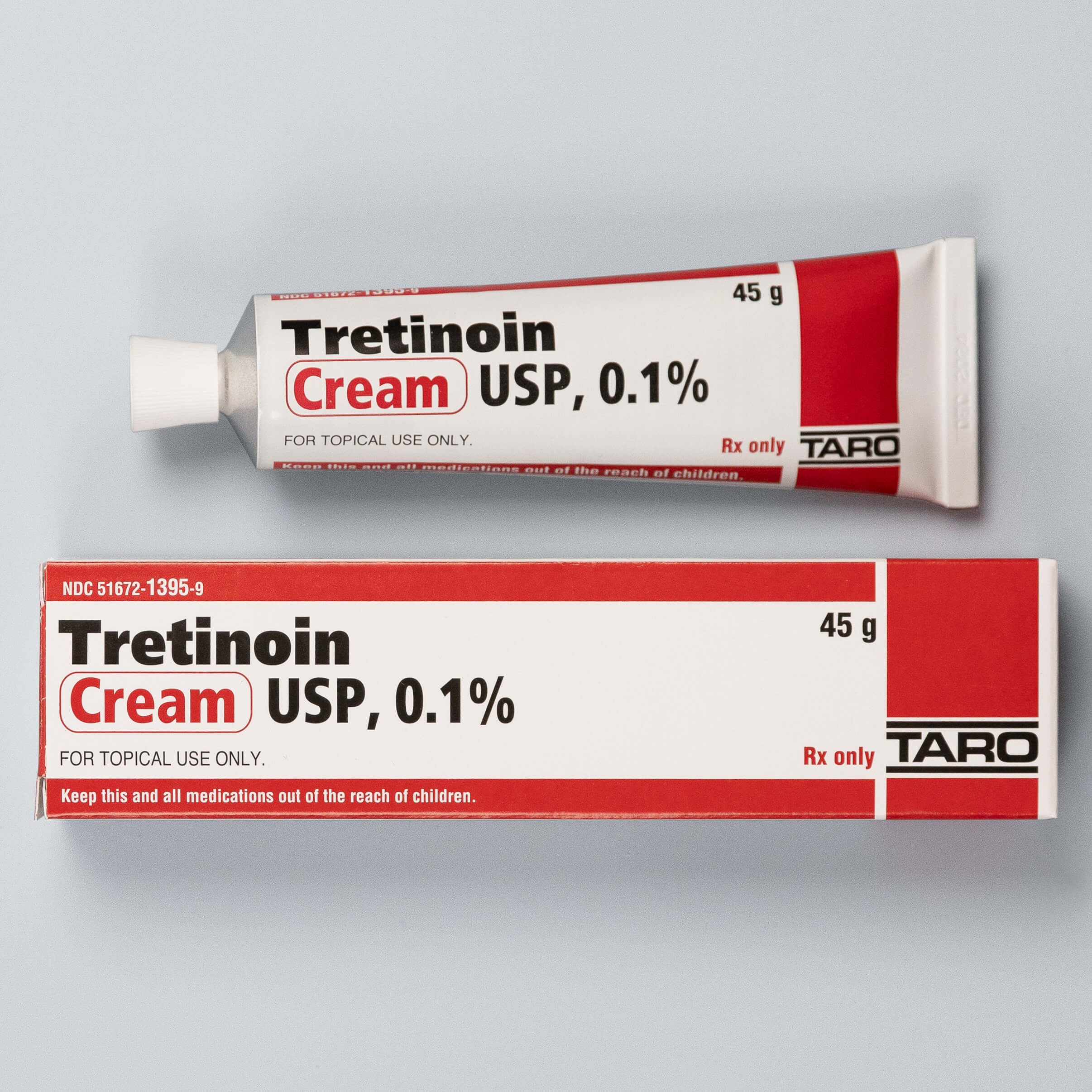 Tretinoin Cream Retin-A®
Treatment Details
Your skin is unique to you and how you treat it is just as unique. Many times, that means prescription strength, clinically proven ingredients. One of those ingredients could be tretinoin to reduce the appearance of acne and the visual signs of aging. Let us help customize your skincare plan today.
Starting at: $20 per month - 1 45 g tube (billed and shipped every 3 months)
-
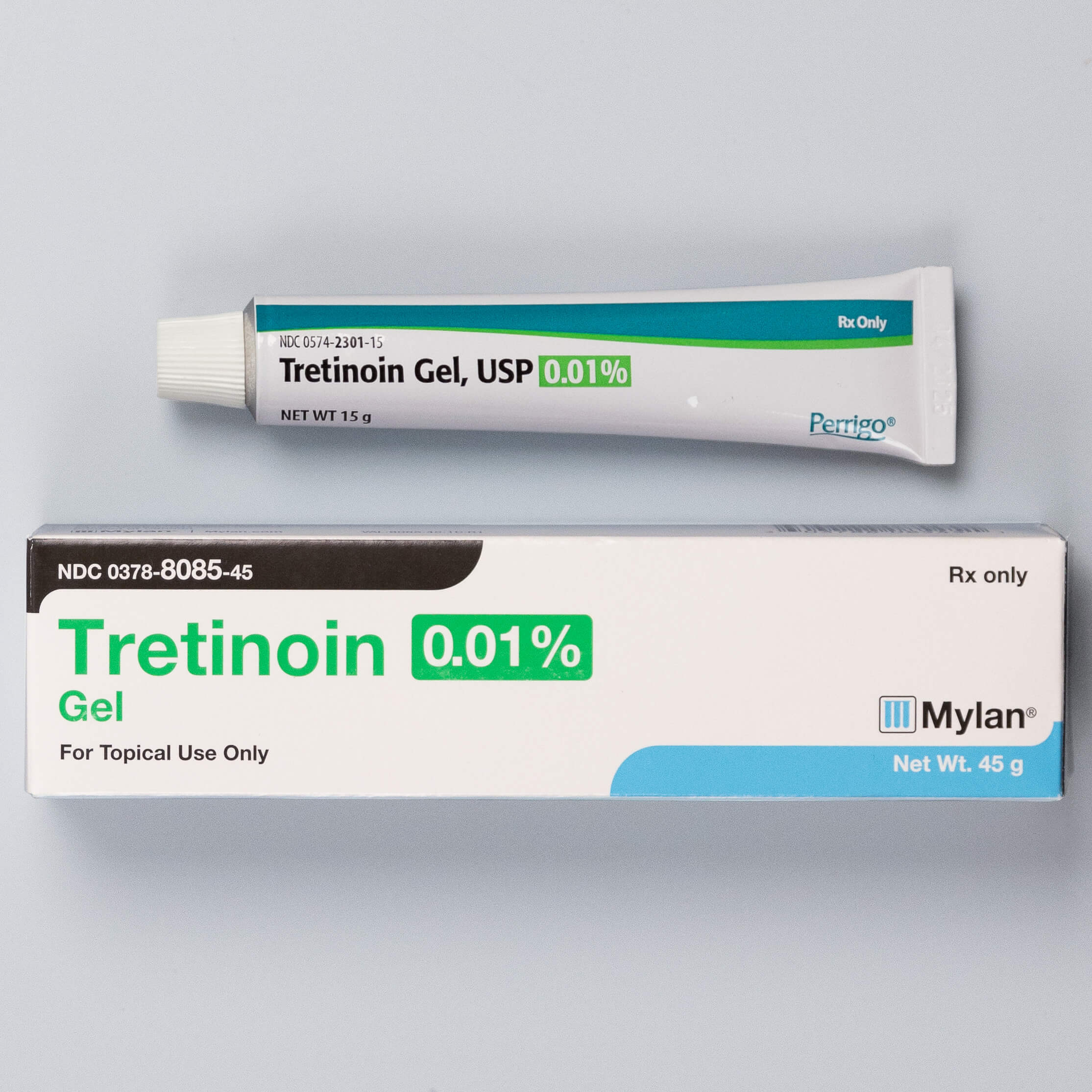 Tretinoin Gel Retin-A®
Treatment Details
Tretinoin Gel has been proven to help improve skin appearance by combatting both acne and signs of aging like fine lines and wrinkles. Answer a few questions to determine if Tretinoin Gel could be suitable for you. Then we'll ship directly to your door.
Starting at: $33.33 per month for 0.025% and 0.01% gel - 3 15gm tubes (save 17%)
-
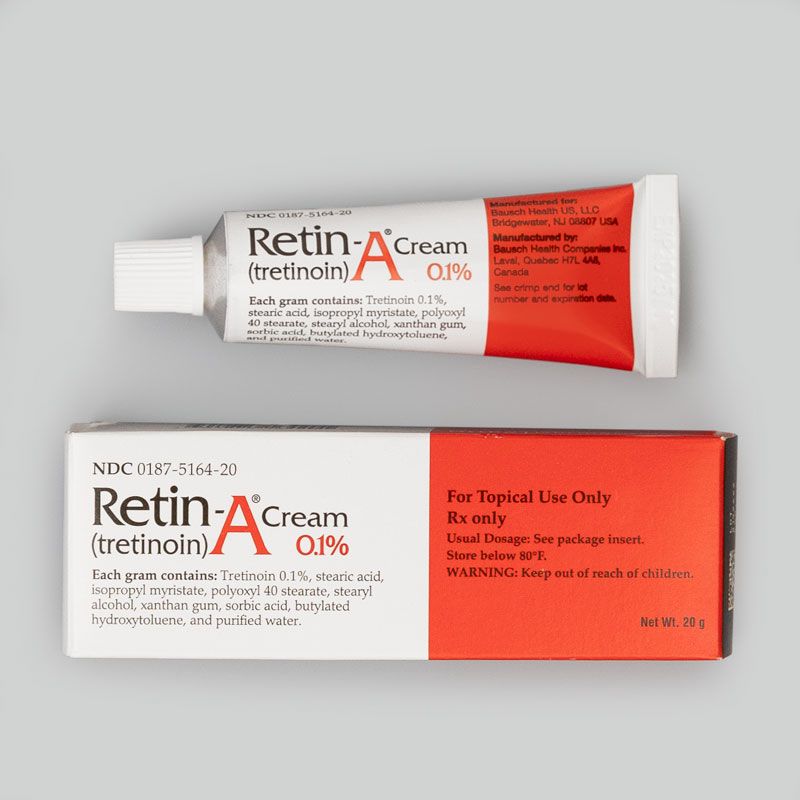 Retin-A® Cream
Treatment Details
Retin-A® cream is FDA-approved and clinically proven to reduce the appearance of acne and the visual signs of aging. We offer 0.025%, 0.05% and 0.1% doses. Let us help customize your skincare plan today.
Starting at: $40 per month - 1 45 gm tube (billed and shipped every 3 months)
-
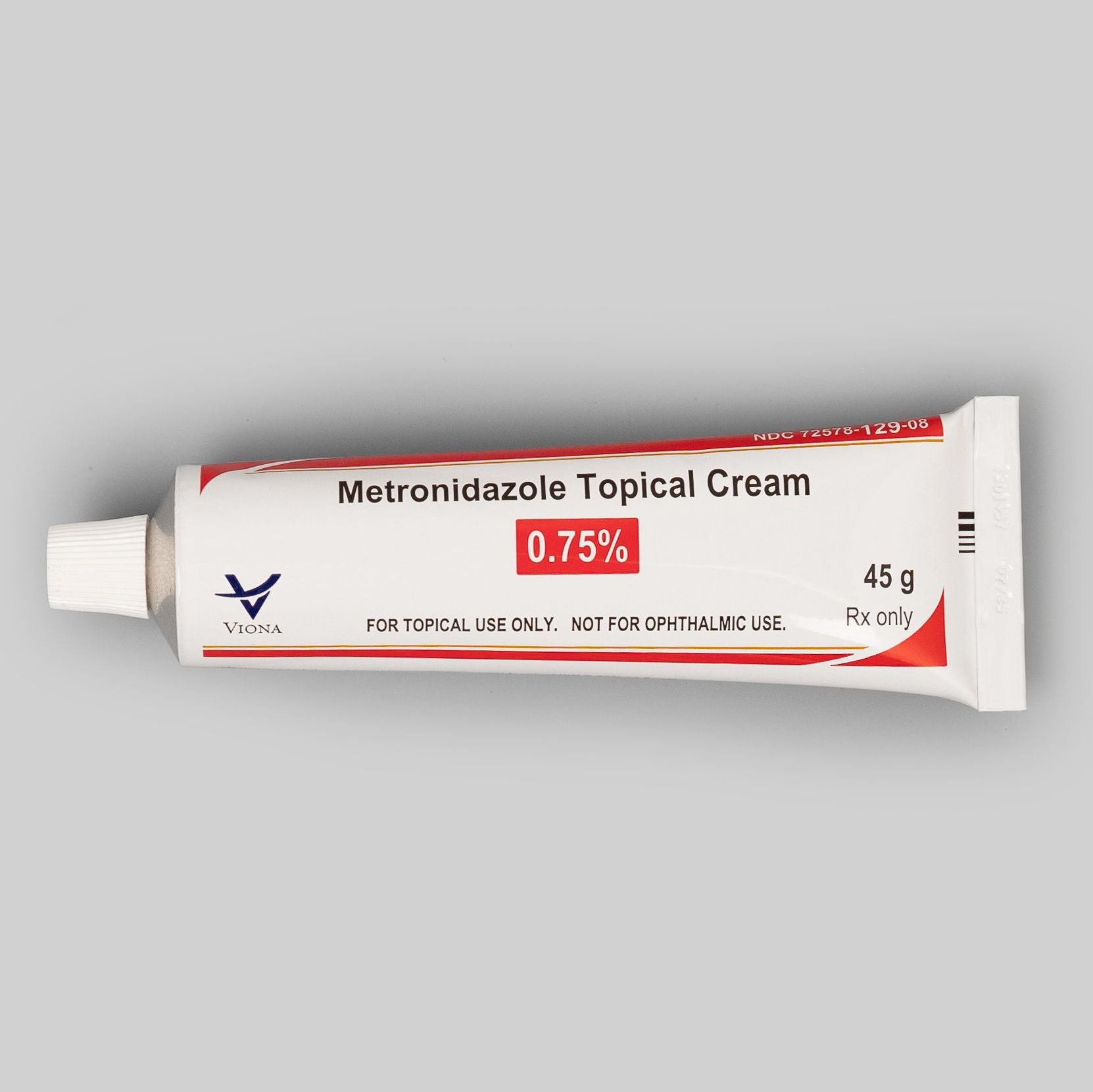 Metronidazole Cream MetroCream®
Treatment Details
Easily treat acne and rosacea with metronidazole 0.75% cream. While metronidazole cream is not available over the counter, RedBox Rx prescribes this medication through convenient online doctor consultations.
Starting at: $16.66 per month – 1 45 g tube
-
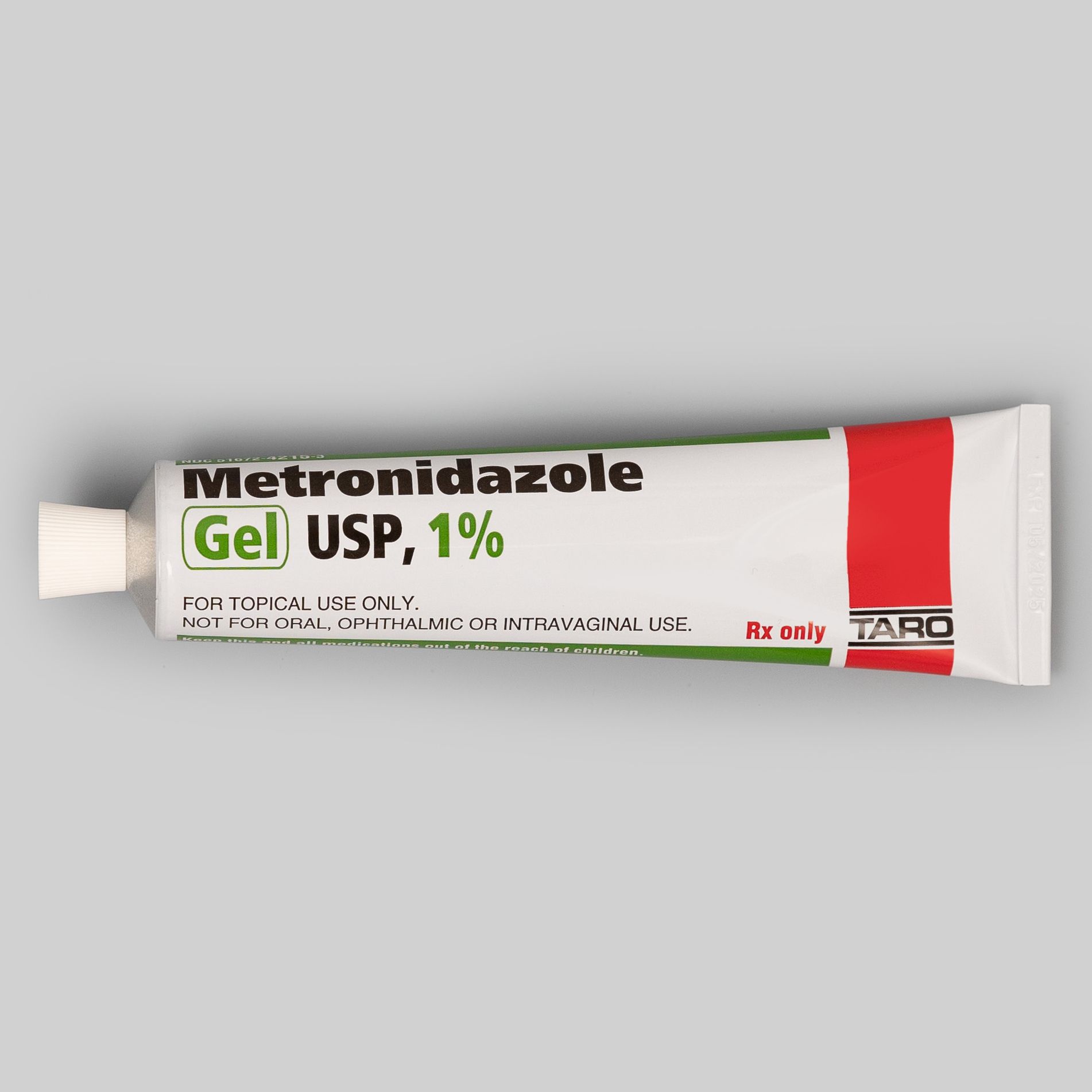 Metronidazole Gel MetroGel®
Treatment Details
Easily treat acne and rosacea with metronidazole gel. While metronidazole gel is not available over the counter, RedBox Rx prescribes this medication through convenient online doctor consultations.
Starting at: $16.66 per month for 0.75% gel – 1 45 g tube
Affordable, comprehensive skincare you can trust.
Backed by 750+ five-star Trustpilot reviews, RedBox Rx offers convenient online dermatology services for a wide range of skin concerns, including:
Our licensed medical providers create personalized skincare treatment plans to help you achieve healthier, clearer skin — all from the comfort of home with medications shipped to your door.
Sorry, we’re closed for today. Our U.S. licensed medical providers are available daily 7 a.m. to 9 p.m. CST via live video visit. We look forward to serving you soon. Email us anytime at [email protected].
About Acne
Acne is the most common skin condition in the U.S. It affects up to 50 million Americans each year.1 It has a variety of causes and, fortunately, a wide variety of effective treatments.
-
Acne is a skin condition that occurs when hair follicles become clogged. The clogged follicles then produce whiteheads, blackheads or pimples. There are four main causes of acne:2
Excess oil (sebum) production
Hair follicles clogged by oil and dead skin cells
Bacteria
Inflammation
There are certain triggers that can spark acne in individuals, including:
Hormonal changes
Medication
Diet
Stress
-
Women over the age of 20 experience acne more often than men in the same age group. Adult female acne can be caused by hormonal changes (pregnancy, menstrual cycle, menopause, etc.), stress and certain foods like dairy or ones high in sugar. All these factors can cause the body to produce more oil and create acne.3
Women are also more likely than men to suffer depression and anxiety because of their acne.4
-
Acne in men is caused by many of the same triggers as women, with slight differences. Hormonal changes can trigger acne in men. Men are more likely to utilize anabolic steroids, which increase testosterone and cause acne breakouts. Men often get acne on the face and back that is worsened by sweating.5
-
All types of acne are a result of clogged hair follicles, whether it is on the face or body. Certain areas, however, are more prone to acne breakouts because of internal and external factors.
Hormonal Acne
Hormonal acne occurs because of changes in body hormones that spark an increase in oil production. It is more common in women but also occurs in men.
The most common places to see hormonal acne are:6
Chin
Jawline
Neck
Cystic Acne
Cystic acne is defined by large, red, painful breakouts that are deep in the skin. It occurs when hair follicles become clogged and trap bacteria under the skin. Inflammation is what causes pus, redness and tenderness to occur.
Cystic acne can occur on the:7
Face
Chest
Upper arms
Shoulders
Back
Nodular Acne
A severe form of acne, nodular acne forms firm, painful lumps under the skin. The cause of this inflammation is a combination of blocked pores and the bacterium Cutibacterium acnes. Acne nodules are more solid, while cystic acne contain pus.
Nodular acne can develop anywhere on the body but most commonly on the:8
Face
Chin
Jawline
Chest
Back
Fungal Acne
Fungal acne is a type of infection caused by the fungus Malassezia yeast, rather than the skin cells, oil and bacteria that cause other kinds of acne.
It tends to appear with lots of bumps close together and most often in the following spots on the body:9
Forehead
Cheeks
Chin
Chest
Upper back
Shoulders
-
There has been some research to support that eating certain foods can increase your risk of developing acne, including:10
Milk. It is not completely understood, but some researchers hypothesize it could be related to hormones given to dairy cows.
Chocolate. Cocoa isn’t linked to acne but chocolate is. Likely from the high sugar or milk content in many chocolate foods.
Sugar. Sugary foods and drinks (soda, candy, white bread, etc.) spike blood sugar. When the body produces more insulin to process the sugar, it affects hormones that can increase oil production in the skin.
Eggs and chicken. Food allergies can contribute to acne, and in some studies, eggs and chicken were the food allergens most likely to cause acne.11
Alcohol. Alcohol causes inflammation in the body and has been shown to increase risk of adult acne.12
-
Certain supplements have been linked to an increase in acne among users. There is evidence to support that the following supplements may cause or aggravate acne:13
Vitamin B6
Vitamin B12
Iodine
Whey protein
-
There is some evidence to support that certain medications can induce acne, including:14
Corticosteroids
Lithium
Thyroid hormones
Antibiotics
Antituberculosis drugs
Antiepileptic drugs
Testosterone replacement therapy15
-
Acne can be triggered by a wide variety of medical conditions, including:
Polycystic ovary syndrome (PCOS)
Congenital adrenal hyperplasia (CAH)
Cushing syndrome
Stress16
Dry skin17
Certain activities have been linked to acne, including:
Smoking or vaping nicotine18
Sweating from exercise or warm weather19
-
The products that you put on your skin can cause acne. Avoid anything that could clog pores, dry out your skin or cause irritation and inflammation. The following skin treatments have been linked to acne:
Makeup. Certain ingredients, like alcohol or fragrance, can irritate acne-prone skin.20
Moisturizer. Avoid heavy oils, waxes and petroleum, which can clog pores. Also avoid irritating fragrances and parabens.21
Sunscreen. Avoid brands that include isopropyl palmitate, lanolin or certain types of silicone.22
Acne treatments. Many effective topical acne treatments can cause acne to get worse before it gets better like salicylic acid,23 retinol24 and benzoyl peroxide.25
-
Acne can appear anywhere on your skin but most commonly appears where you have the most oil glands. These areas are your:26
Face
Forehead
Chest
Shoulders
Back
-
There are many myths about how to reduce acne, but the best prevention techniques are simple:27
Wash your face daily with warm water and a facial cleanser.
Use an oil-free moisturizer.
If you wear makeup, use “noncomedogenic” products and remove it at the end of each day.
Try to avoid touching your face.
-
80%
Tretinoin reduces acne by 80%.
Source: National Library of Medicine
Sorry, we’re closed for today. Our U.S. licensed medical providers are available daily 7 a.m. to 9 p.m. CST via live video visit. We look forward to serving you soon. Email us anytime at [email protected].
RedBox Rx Skincare Reviews
-
“
With a baby & toddler, it’s very hard to go to a doctor appointment — sitting and waiting for hours for a 1 min evaluation. This was all done from the comfort of my home and I was provided with the best acne treatment. I am very grateful for a service like this.
Yolanda S.
-
“
“So glad I found this company, was able to start my acne treatment right away. Prescription comes fast. Evaluation was quick; doctor was thorough and explained everything.”
Valerie Y.
-
“
I have never been so happy with my skin. It's all clear. I am 44 and suffer from hormonal acne. Very large red painful under ground cystic acne and this product is truly a miracle. Instead of taking months to heal my large red bumps. I use this product and 48 hours, max, they are gone.
Jack S.
Acne Treatment FAQs
-
Most kinds of acne can be treated with topical solutions and proper skincare. The following can be used to treat whiteheads, blackheads and pustules:28
Wash twice a day with a cleanser containing benzoyl peroxide or salicylic acid.
Use a topical retinoid like tretinoin or adapalene to unclog pores.
With other kinds of acne, you may need additional support from a prescription or a consultation with a dermatologist.
For hormonal acne, treatment options also include:29,30
Spironolactone (a hormonal therapy for women only)
Birth control (medication that is combined with oral contraceptives)31
Laser or light therapy
Change in diet
For nodular or cystic acne, treatment options include:
Antibiotic creams, gels and lotions32
Steroid injections33
For fungal acne, treatment options include:34
Oral antifungals like fluconazole or itraconazole
Topical antifungals like econazole, ketoconazole or selenium sulfide shampoo
-
Acne can occur nearly anywhere on the body. Treatment options for acne on your body (including your back, buttocks, arms and legs) include:35
Stopping the use of topical products that contain oils, waxes or silicones.
Switching to grooming products that are labeled noncomedogenic or nonacnegenic.
Doing your laundry more often. Wash clothing, pillowcases, sheets, hats and sports gear often to avoid buildup of sweat and dead skin cells.
Showering regularly. Use a mild, noncomedogenic cleanser.
Using a cleanser with salicylic acid or benzoyl peroxide.
Wearing loose-fitting clothing, especially exercise clothing, that doesn’t create friction.
Treatment for acne on the face, cheeks, forehead and chin include:
-
There are a variety of topical and oral medications that can treat acne. Both over-the-counter and prescription options are available.
Topical acne medications include:38
Dapsone (ACZONE®)
Salicylic acid
Oral acne medications include:
Tetracycline
Macrolide
Nikki (Yaz®)
Tri-Estarylla (Ortho Tri-Cyclen®)
Volnea (Mircette®)
Portia (Nordette®)
Tri-Lo-Sprintec ( Ortho Tri-Cyclen Lo®)
Levonorgestrel-Ethinyl Estradiol (Seasonale®)
Drospirenone-Ethinyl Estradiol (Yasmin®)
Isotretinoin (Amnesteem®)
-
Telehealth providers, like RedBox Rx, allow you to connect with a licensed provider of dermatological services anywhere you have an internet connection.
If prescribed, we can ship prescription treatment for acne to all 50 U.S. states. Start an online consult now.
-
The American Academy of Dermatology recommends consulting with a dermatologist for your acne if you have tried basic methods, like an acne face wash or topical retinoids, for at least six to eight weeks with no improvement. If you have severe, cystic or nodular acne, you will likely need a dermatologist to help.39
Telehealth providers, like RedBox Rx, allow you to connect with a licensed provider of dermatological services online. If prescribed, we can ship prescription treatment for acne to all 50 U.S. states. Start an online consult now.
How To Get Acne Prescriptions Online
Why Choose RedBox Rx
Wide selection, easy process and low prices.
- No membership or subscription fees.
- Low-cost $25 telehealth consult with licensed medical provider.
- Medications start at $20 per month (with purchase of three-month supply).
- Confidential, private and secure.
- Free standard shipping or expedited/overnight available.
Sorry, we’re closed for today. Our U.S. licensed medical providers are available daily 7 a.m. to 9 p.m. CST via live video visit. We look forward to serving you soon. Email us anytime at [email protected].