Escitalopram and sertraline are both commonly used to treat anxiety and depression. They belong to the same family of medications and work in much the same way, but the two are not identical. Their differences in FDA-approved uses, dosing, drug interactions and side effects can make one a better match than the other, depending on the patient.
Here is how they compare, so you can have a more informed conversation with your provider.
Key Takeaways
Escitalopram (Lexapro®) and sertraline (Zoloft®) are both selective serotonin reuptake inhibitors (SSRIs).
Both ease anxiety and depression by increasing serotonin activity in the brain.
Escitalopram may be a better fit for people whose main concern is generalized anxiety, which it is specifically FDA approved to treat.
Sertraline may be a better fit for people who have a co-occurring anxiety condition, such as panic disorder, PTSD, OCD or social anxiety disorder, as it is FDA approved to treat more conditions.
What is escitalopram (generic Lexapro®)?
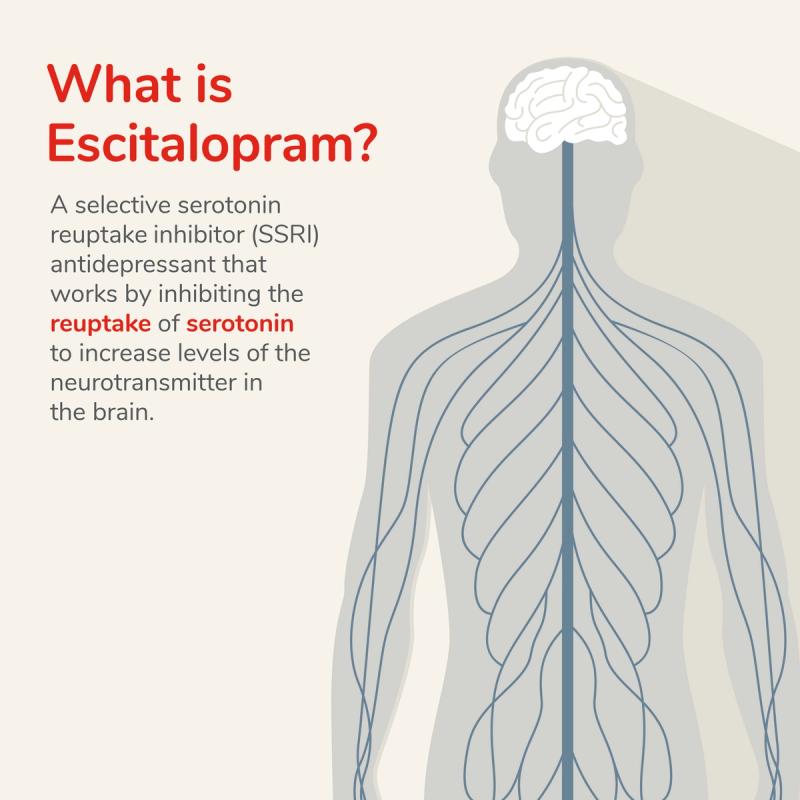
Escitalopram is an antidepressant in the selective serotonin reuptake inhibitor (SSRI) class. It is FDA approved to treat major depressive disorder and generalized anxiety disorder, and it is used off-label for conditions such as panic disorder, obsessive-compulsive disorder (OCD), social anxiety disorder and premenstrual dysphoric disorder.1
It works by blocking the reabsorption of serotonin, which increases the availability of this mood-regulating chemical available in the brain. Like other SSRIs, it is not a controlled substance and is not habit-forming.2
What is sertraline (generic Zoloft®)?
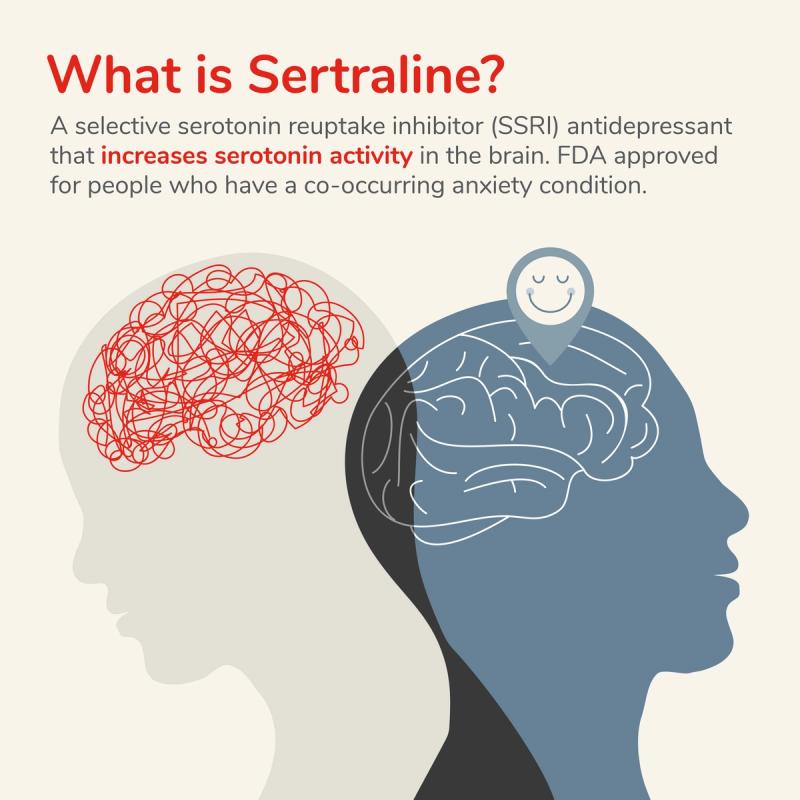
Sertraline is also a selective serotonin reuptake inhibitor (SSRI). It is FDA approved to treat major depressive disorder, OCD, panic disorder, post-traumatic stress disorder (PTSD), social anxiety disorder and premenstrual dysphoric disorder, and it is frequently used off-label for generalized anxiety disorder.3
Like escitalopram, sertraline increases serotonin activity in the brain. It is not a controlled substance and is not habit-forming.4
What are the differences between escitalopram and sertraline?
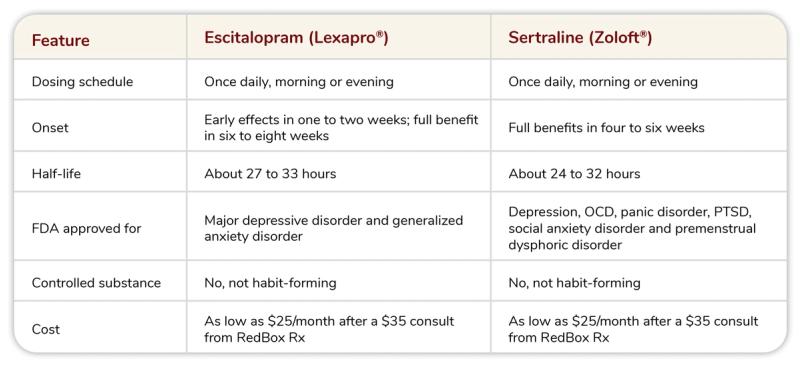
Because both medications are SSRIs, they have more similarities than differences. Sertraline is used to treat a wider variety of issues, so your healthcare provider will likely choose one based on the specific condition being treated to avoid interactions with any other medications you may be taking.5,6,7,8,9
This chart summarizes the key similarities and differences between the two medications at a glance.10,11,12,13
Can escitalopram and sertraline be used to treat both anxiety and depression?
Yes. Both are used to treat anxiety and depression, which often occur together. Escitalopram is FDA approved for both major depressive disorder and generalized anxiety disorder. Sertraline is FDA approved for depression and for several anxiety-related conditions, including panic disorder, PTSD, social anxiety disorder and OCD. It is also widely used off-label for generalized anxiety.14,15
Because anxiety and depression frequently overlap, a single SSRI can often address both. If you are not sure which you are dealing with, our guide on how to treat high-functioning anxiety and depression is a helpful place to start.
How effective are escitalopram and sertraline for anxiety and depression?
Both escitalopram and sertraline are backed by extensive clinical research. A 2018 analysis that combined the findings of 522 clinical trials and more than 116,000 participants found that all major antidepressants, including escitalopram and sertraline, were more effective than a placebo for treating depression in adults.
In head-to-head comparisons, escitalopram ranked among the most effective options, while both escitalopram and sertraline were among the best tolerated, meaning fewer people stopped taking them. That balance of effectiveness and tolerability is part of why these two SSRIs are so widely prescribed today.16
How should escitalopram and sertraline be taken for anxiety and depression?
Both are taken by mouth once a day, with or without food, and can be taken in the morning or the evening. RedBox Rx prescribes sertraline at 25 mg, 50 mg and 100 mg and escitalopram at 5 mg, 10 mg and 20 mg.
Neither medication should be stopped abruptly or without speaking to your healthcare provider. Suddenly stopping an SSRI can cause discontinuation symptoms such as dizziness, irritability, anxiety, mood changes, headache, tingling sensations and trouble sleeping. If it is time to stop or switch, your provider will typically lower the dose gradually to give your body time to adjust.17,18
Alcohol is generally not recommended while taking either medication, since combining alcohol with an SSRI can worsen drowsiness and other side effects.19 arijuana is best discussed openly with your provider. Research is still limited, but cannabis can add to side effects such as dizziness and drowsiness, and cannabinoids may slow how the body breaks down these SSRIs, which can raise drug levels.20.21
How to switch safely between escitalopram and sertraline
Because both are SSRIs that work in similar ways, switching between them is relatively straightforward but must always be done with a provider’s guidance. When the current dose is low, a provider may use a direct switch, which means stopping one and starting the other the next day.
At higher doses, a cross-taper is common. This means the first medication is gradually reduced while the second is slowly introduced, with the pace guided by how well you tolerate it. This approach helps limit any potential withdrawal symptoms without a gap in treatment.22 For a closer look at what to expect, see our complete guide to switching antidepressants.
Your mental health matters.
Get personalized anxiety and depression treatment online when you need it — we offer a flat rate doctor consult, no membership fees and no wait.
Get StartedCan escitalopram and sertraline be taken together for anxiety and depression?
No, they should not be taken together. Because escitalopram and sertraline are both SSRIs, taking them together offers no added benefit and raises the risk of serotonin syndrome, a rare but potentially serious buildup of serotonin with symptoms that can include agitation, sweating, a fast heartbeat, shivering and confusion. Providers almost always use one SSRI at a time and, if a change is needed, switch from one to the other rather than combining them.23
If your current medication is not working well, the safest step is to talk with your provider about other options rather than adding a second SSRI.
How do side effects and safety compare for escitalopram and sertraline?
Because both escitalopram and sertraline are SSRIs, they share certain side effects, including:
Nausea
Fever
Headache
Seizures
Diarrhea
Difficulty breathing
Loss of appetite
Loss of coordination
Abnormal bleeding or bruising
Hallucinations or confusion
Increased or excessive sweating
Rashes, hives or other skin issues
Slight weight gain or loss
Agitation, a fast or irregular heartbeat
Severe muscle stiffness or twitching
Sexual problems in males such as decreased sex drive, inability to get or keep an erection, or delayed or absent ejaculation
Sexual problems in females such as decreased sex drive, or delayed orgasm or unable to have an orgasm
Both escitalopram and sertraline may cause other side effects.
Escitalopram may also cause drowsiness or difficulty falling and/or staying asleep, as well as angle-closure glaucoma (a condition where the fluid is suddenly blocked and unable to flow out of the eye, causing a quick, severe increase in eye pressure, which may lead to a loss of vision).
Sertraline may cause heartburn.
Consult your healthcare provider if you have any unusual problems while taking this medication. If you are pregnant or breastfeeding, SSRIs may still be an option, but you should discuss this with your healthcare provider.24,25
Does sertraline or escitalopram cause weight gain?
SSRIs such as sertraline and escitalopram may cause weight gain in some people, but studies show it is not common and that weight gain is often small. Because SSRIs also affect appetite, they may also cause some weight loss.26,27
What are common drug interactions for escitalopram and sertraline?
Using escitalopram with any of the following medicines is not recommended. Your doctor may decide not to treat you with this medication or change some of the other medicines you take.
Bepridil
Bromopride
Cisapride
Clorgyline
Dronedarone
Fluconazole
Isocarboxazid
Lazabemide
Levoketoconazole
Linezolid
Mesoridazine
Methylene Blue
Metoclopramide
Nialamide
Ozanimod
Phenelzine
Pimozide
Piperaquine
Procarbazine
Rasagiline
Safinamide
Saquinavir
Selegiline
Sparfloxacin
Terfenadine
Tranylcypromine
Ziprasidone
Using escitalopram with any of the following medicines is usually not recommended but may be required in some cases. If both medicines are prescribed together, your doctor may change the dose or how often you use one or both medicines.
Abciximab
Aceclofenac
Acemetacin
Acenocoumarol
Adagrasib
Alfentanil
Alfuzosin
Almotriptan
Amineptine
Amiodarone
Amisulpride
Amitriptyline
Amitriptylinoxide
Amoxapine
Amphetamine
Amtolmetin Guacil
Anagrelide
Anileridine
Apalutamide
Apixaban
Apomorphine
Ardeparin
Argatroban
Aripiprazole
Arsenic Trioxide
Artemether
Asenapine
Aspirin
Astemizole
Atazanavir
Atomoxetine
Azathioprine
Azithromycin
Bedaquiline
Bemiparin
Benzhydrocodone
Benzphetamine
Betrixaban
Bivalirudin
Brexpiprazole
Using escitalopram with any of the following medicines may cause an increased risk of certain side effects, but using both drugs may be the best treatment for you. If both medicines are prescribed together, your doctor may change the dose or how often you use one or both medicines.
Boceprevir
Ginkgo
Lamotrigine28
Using sertraline with any of the following medicines is usually not recommended but may be required in some cases. If both medicines are prescribed together, your doctor may change the dose or how often you use one or both medicines.
Abciximab
Aceclofenac
Acemetacin
Acenocoumarol
Adagrasib
Alfentanil
Alfuzosin
Almotriptan
Amineptine
Amiodarone
Amisulpride
Amitriptyline
Amitriptylinoxide
Amoxapine
Amphetamine
Amtolmetin Guacil
Anagrelide
Anileridine
Apalutamide
Apixaban
Apomorphine
Ardeparin
Argatroban
Aripiprazole
Aripiprazole Lauroxil
Arsenic Trioxide
Artemether
Asenapine
Aspirin
Astemizole
Atazanavir
Atomoxetine
Avacopan
Azithromycin
Bedaquiline
Bemiparin
Benzhydrocodone
Benzphetamine
Betrixaban
Bivalirudin
Using sertraline with any of the following medicines may cause an increased risk of certain side effects, but using both drugs may be the best treatment for you. If both medicines are prescribed together, your doctor may change the dose or how often you use one or both medicines.
Alprazolam
Cimetidine
Fluphenazine
Ginkgo
Lamotrigine
Rifampin29
How do costs and insurance coverage compare for escitalopram and sertraline?
Both medications have been available as generics for years and are among the most affordable antidepressants. Through RedBox Rx, escitalopram and sertraline are available starting at $25 per month (with the purchase of a three-month supply) after a $35 online consult. No insurance is required, and both are FSA and HSA eligible.
When doctors prescribe escitalopram vs. sertraline
Talk with your healthcare provider to determine which medication is the better fit for you. According to Dr. Fick, chief medical officer for RedBox Rx’s parent company, Hy-Vee, Inc., the factors that typically guide this decision include:
The condition being treated: Escitalopram is FDA approved for major depressive disorder and generalized anxiety disorder, while sertraline is approved for a wider range of conditions, including OCD, panic disorder, PTSD and social anxiety disorder. Your specific diagnosis may point toward one over the other.
Co-occurring conditions: If you are managing more than one condition, such as depression alongside panic disorder or OCD, sertraline’s broader range of approved uses may make it a better fit.
Other medications and supplements you take: Because SSRIs can interact with other drugs, your provider will review everything you are currently taking to help avoid potential interactions.
Side effects and tolerability: Everyone responds differently. Your provider may consider which side effects concern you most and how you have tolerated similar medications in the past.
Your personal and family treatment history: If you or a close relative has responded well to one of these medications before, that experience can help guide the decision.
“Because these two medications are so similar, our recommendations really come down to the individual’s diagnosis, their history and how their body responds. It’s a decision the doctor and patient make together.” – Dr. Fick, RedBox Rx
How RedBox Rx can help
RedBox Rx makes receiving a prescription for escitalopram, sertraline and other mental health treatments easy and affordable. We offer secure, private online consultations with licensed providers focused on your health.
Benefits of RedBox Rx include:
Transparent, affordable, flat rates for anxiety and depression medications starting at $25/month (with purchase of three-month supply).
$35 consultation with a U.S. licensed medical professional.
No insurance required. FSA and HSA eligible.
No office wait times or scheduling issues common with physical medical practices.
FREE shipping directly to you. Monthly and quarterly subscriptions available.
Get started on your depression and anxiety treatment journey with our online assessment.
If you are experiencing suicidal or self-harm thoughts, please reach out immediately to a healthcare provider or call the National Suicide Prevention Lifeline at 1-800-273-8255.